


Winter Foot Care Secrets: 7 Ways Professionals Survive Long Shifts Without Pain (Even in Cold Weather)
When winter hits and you're facing another 12-hour shift on your feet, your success depends on one critical foundation: how well you protect and support your feet. Most professionals think winter foot care is just about staying warm, but the reality is far more complex. Cold weather, extended standing, and inadequate support create a perfect storm of foot pain, circulation issues, and long-term damage that can derail your career.
The good news? Professionals who understand the science behind winter foot care don't just survive their shifts: they thrive through them. Here are seven proven strategies that separate the professionals who go home pain-free from those who suffer through every step.
1. Build Your Foundation with Advanced Moisture-Wicking Technology
Your first line of defense isn't what most people think. It's not the boots: it's what goes inside them. Traditional cotton socks are your worst enemy during winter shifts. Cotton traps moisture against your skin, creating cold, damp conditions that lead to blisters, fungal infections, and that bone-deep chill that never seems to go away.
Professional-grade moisture-wicking socks made from merino wool or synthetic blends actively pull sweat away from your feet, maintaining the dry environment your feet need to stay warm and comfortable. These materials regulate temperature naturally, keeping your feet from overheating during active periods while providing insulation when you're stationary.
The game-changer: Change your socks mid-shift if possible. Pack an extra pair of high-quality moisture-wicking socks and swap them out halfway through your workday. This simple strategy can dramatically reduce foot fatigue and prevent the moisture buildup that leads to painful cold feet.
2. Engineer Your Support System with Biomechanically-Designed Footwear
Here's what most professionals get wrong: they choose winter footwear based on warmth alone, completely ignoring the biomechanical demands of extended standing and walking. Your feet need a support system that addresses three critical factors simultaneously: thermal protection, structural support, and pressure distribution.
The Symphony from Tunez Footwear represents a breakthrough in professional winter footwear design. Unlike traditional work boots that prioritize warmth over foot health, the Symphony integrates advanced orthopedic engineering with winter-ready materials. The result is footwear that maintains optimal foot alignment while providing the insulation and protection you need for cold-weather shifts.
Professional tip: Your winter work shoes should have a roomy toe box to allow for proper circulation, arch support that maintains your foot's natural alignment, and materials that breathe while protecting against moisture. Shoes that are too tight restrict blood flow, making your feet colder and more prone to pain.
3. Master the Science of Movement and Circulation
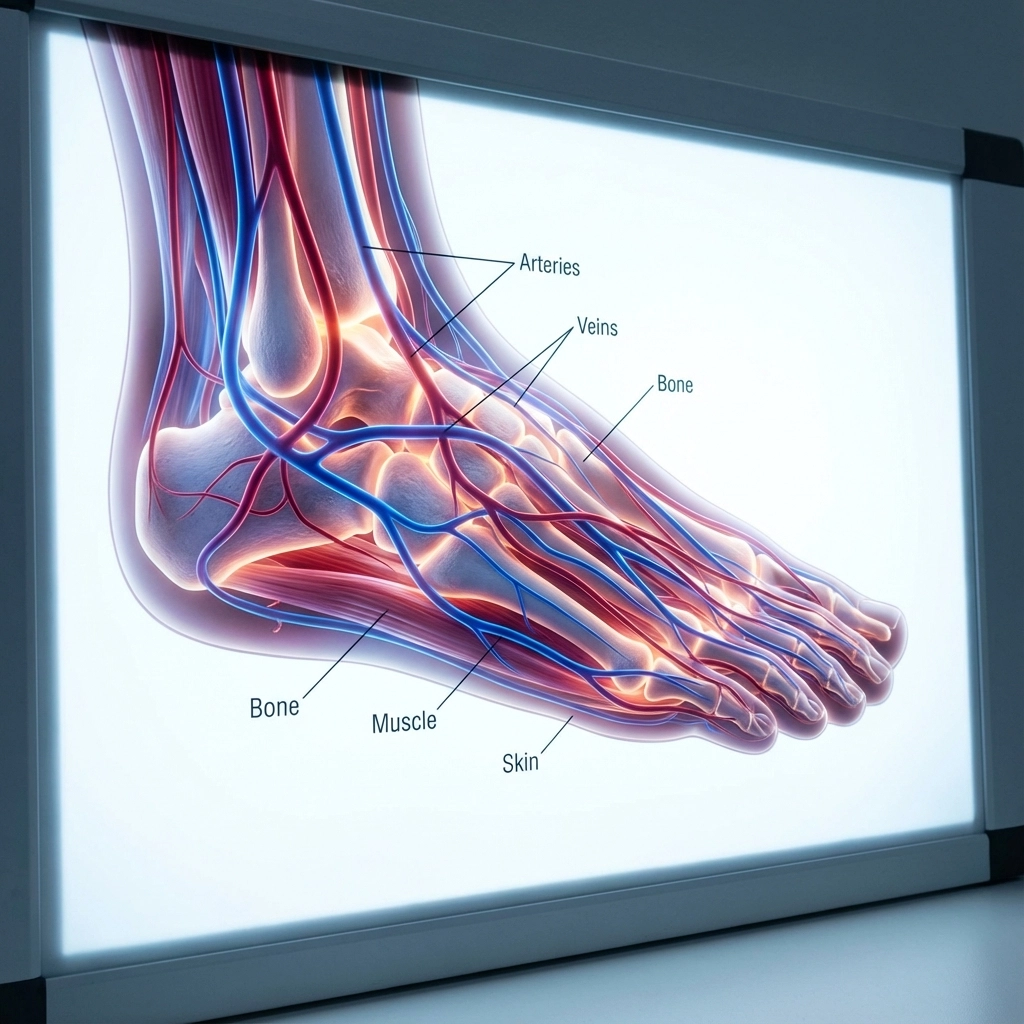
Standing or walking for extended periods in cold weather creates a circulation challenge that most professionals never address properly. Your feet are the furthest point from your heart, making them the first to suffer when circulation slows down. Cold weather compounds this problem by causing blood vessels to constrict, reducing the already limited blood flow to your extremities.
The solution isn't complex, but it requires consistency. Every hour, implement a 2-minute circulation protocol:
• Ankle circles: 10 in each direction to activate calf muscles • Toe flexes: Point and flex your toes to engage foot muscles • Heel raises: Activate your calf pump to push blood back toward your heart • Weight shifts: Move from heel to toe to prevent stagnation
These micro-movements might seem insignificant, but they create the muscle contractions necessary to maintain healthy circulation during long shifts. The key is consistency: set a phone alarm to remind yourself every hour.
4. Implement Strategic Moisture Management Throughout Your Shift
Winter moisture management goes far beyond sock choice. Cold air holds less moisture, which means it's constantly pulling hydration from your skin. Add heated indoor environments and the moisture-wicking properties of your socks, and your feet can become severely dehydrated during winter shifts, leading to cracking, pain, and vulnerability to injury.
Your strategic moisture management protocol should include:
Pre-shift preparation: Apply a high-quality foot cream with urea or glycerin to lock in moisture before putting on your socks. Focus on heels and any areas prone to cracking, but avoid the spaces between your toes where excess moisture can cause problems.
Mid-shift maintenance: If possible, use foot powder to manage excess moisture in your boots while preventing the over-drying that leads to painful cracks.
Post-shift recovery: Within 30 minutes of removing your work footwear, apply a thick moisturizing cream to restore the hydration balance in your feet.
5. Deploy Daily Foot Health Monitoring and Maintenance
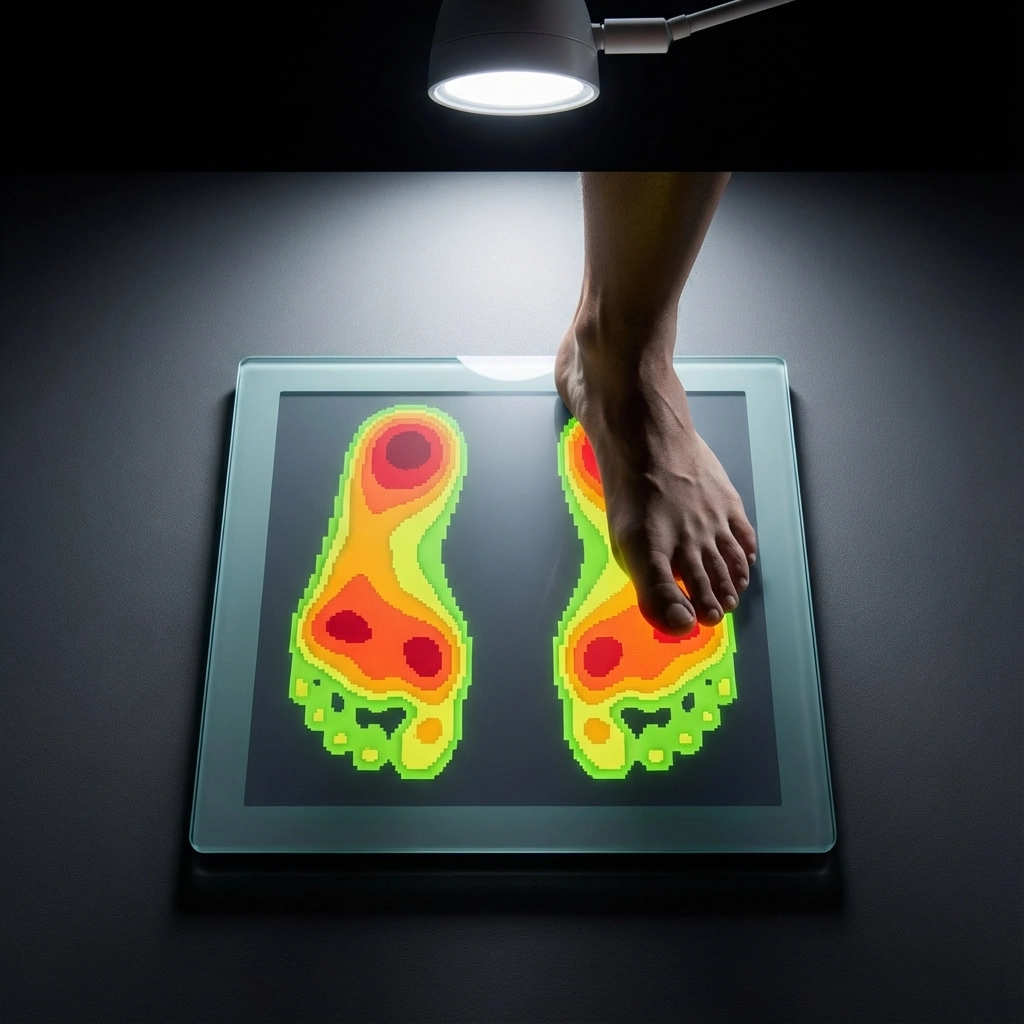
Professional foot care during winter requires the same systematic approach you'd use for any critical equipment. Daily foot inspection isn't optional: it's preventive maintenance that saves you from serious problems. Cold weather masks early warning signs of foot problems, and by the time you notice pain or discomfort, minor issues may have become major complications.
Your daily inspection protocol should include:
• Visual examination: Check for redness, swelling, cuts, or changes in skin color • Pressure testing: Gently press different areas of your feet to identify tender spots • Range of motion assessment: Flex and point your toes, rotate your ankles to ensure normal movement • Skin integrity check: Look for cracks, dry patches, or areas of excessive moisture
Document anything unusual and address problems immediately. Small issues caught early are easy to resolve, but ignored problems can force you off your feet entirely.
6. Master Professional-Grade Warming and Recovery Techniques
How you warm and recover your feet after cold exposure can make the difference between starting your next shift refreshed or starting it in pain. The biggest mistake professionals make is using too much heat too quickly, which can damage skin and actually worsen circulation problems.
Professional warming protocol:
Gradual temperature increase: When your feet are cold, use lukewarm water (not hot) to gradually restore normal temperature. Sudden heat exposure can cause painful tingling and skin damage.
Active warming: Gentle movement and massage are more effective than passive heat sources. Wiggle your toes, flex your feet, and gently massage your calves to restore circulation naturally.
Strategic soaking: A 10-15 minute soak in warm water with Epsom salts can provide relief for tired, aching feet. The magnesium in Epsom salts may help reduce inflammation and muscle tension.
Recovery timing: Allow your feet to completely dry and return to normal temperature before putting on fresh socks and footwear.
7. Invest in Professional-Grade Orthopedic Support Systems
The final secret that separates professionals who thrive from those who merely survive is understanding that your footwear is medical equipment, not just a uniform requirement. The T-Lo Tunez II exemplifies this approach, combining the aesthetic appeal professionals need with the orthopedic engineering that prevents pain and long-term foot problems.
Traditional work footwear focuses on protection from external hazards but ignores the internal forces that create foot pain during extended shifts. Professional-grade footwear like the T-Lo Tunez II addresses:
• Pressure distribution: Advanced sole design that prevents pressure points • Arch support: Maintains proper foot alignment to prevent fatigue • Heel stabilization: Reduces strain on plantar fascia and Achilles tendon • Forefoot comfort: Adequate toe box space prevents nerve compression
The investment in professional-grade footwear pays dividends in reduced pain, improved energy levels, and career longevity.
Your Winter Success Starts with Your Feet
These seven strategies work because they address the underlying biomechanical and physiological challenges your feet face during winter shifts. They're not quick fixes: they're systematic approaches that professional healthcare workers, security personnel, retail workers, and others have used to maintain their performance and comfort throughout the harshest winter conditions.
Your feet are the foundation of your professional success. When they're properly supported, protected, and maintained, you can focus on excelling at your job instead of managing pain and discomfort.
Ready to experience the difference professional-grade footwear makes? Explore the complete Tunez Footwear collection and discover how advanced orthopedic engineering can transform your winter work shifts from an endurance test into a comfortable, productive experience.
Your career depends on your ability to perform consistently, shift after shift, season after season. Make sure your foundation is built to last.